
Blog
What We Actually Check During a Jupiter Service Call
A look at what a Jupiter Garage Door Co service call actually inspects, built around the age of local housing stock and the area's mild temperate climate.
The Situation
Most of the houses in Jupiter went up between 1965 and 2021, with the bulk of that stock dating to the 1980s and 90s across the area's sixteen named neighborhoods, from Abacoa down near 2 miles south to the stretch out toward Palm Beach Country Estates. With a median year of 1981, a lot of garages here are still running the torsion spring and opener that went in during original construction, or a replacement from one upgrade cycle later. That matters because a spring rated for a certain number of open-close cycles doesn't care how the door looks. It just wears out. A service call in a neighborhood like this usually starts with a question nobody asked: how old is this thing actually, and does the owner know. Across the 29,583 owner-occupied houses in this service area, a cable fraying on a 1980s-era door is one of the more common calls we get, right alongside openers with worn drive gears that still technically run but grind on the way up. We check the spring first because it's the part most likely to fail without warning, then move outward from there.
What the Weather Here Does to It
Jupiter sits in a mild temperate band, so the springs and tracks here don't face the freeze-thaw cracking that shortens hardware life up north, and that's a real advantage. But mild doesn't mean nothing happens. Consistent warmth and humidity work differently: factory lubricant on rollers and hinges breaks down faster than the label suggests, and steel hardware that never freezes can still pit and bind if it's never re-greased. On a house from the 1980s or 90s, original hardware has had three or four decades of that slow wear with no hard winter to mask it. We see tracks that look fine from the driveway but bind halfway up because the rollers never got serviced. It's not dramatic failure, it's gradual drag, and most owners don't notice until the opener starts straining to compensate.
What to Check
Start with the spring: a torsion spring with visible gap in its coils, or one that's been painted over a few times, is past due regardless of how the door sounds. Next, pull the release handle with the door down and lift the door by hand. If it doesn't stay roughly where you lift it, the spring is no longer carrying its share of the weight. Check the cables at the bottom bracket for fraying, not just rust. Run your hand along the track for flat spots or rust pitting, since that's the slow-wear sign a mild climate produces. On openers from the 1980s and 90s, listen for grinding at the motor housing itself, that's the drive gear, and it's a part we often just don't stock for units that old. With a median household income of $86,562 in this area, replacing a worn opener outright is within reach for most owners rather than chasing parts for a unit two generations out of production.
When Waiting Is Fine
Not everything needs a truck out that day. A door that's a little noisy but still opens smooth and stops where it should can usually wait for a scheduled visit rather than an emergency call. Same with cosmetic rust on a track that hasn't pitted through, or a remote that's lost range but the wall switch still works fine. If the door reverses correctly on the safety sensors and the spring shows no visible damage, you've got time to plan the work instead of reacting to it. Where we'd tell you not to wait: any cable with visible fraying, a spring with a clear gap, or a door that drops instead of lowering under control. Those are the calls that turn into a bigger repair, or a safety issue, if they sit.
Questions
Common questions
How do I know if my garage door spring is original to the house?
If your Jupiter home was built in the 1980s or 90s and the spring has never been replaced, it's likely original or close to it. Painted-over coils, visible gaps between coils, or an opener straining on lift are all signs it's past its working life, regardless of the exact installation year.
Does Jupiter's climate shorten garage door life?
The mild temperate climate here spares doors the freeze-thaw cracking that's common up north, but consistent warmth and humidity still break down lubricant and cause slow rust pitting on tracks and hardware, especially on hardware original to a 1980s or 90s build.
Is it worth repairing an opener from the 1990s?
Often not. Drive gears and circuit boards for units that old aren't easy to source, and the labor to chase a part can cost close to a new opener. We'll tell you honestly when replacement is the better call rather than nursing an old unit along.
Recommendation
You Might Also Like
More garage door guides for Jupiter homeowners.
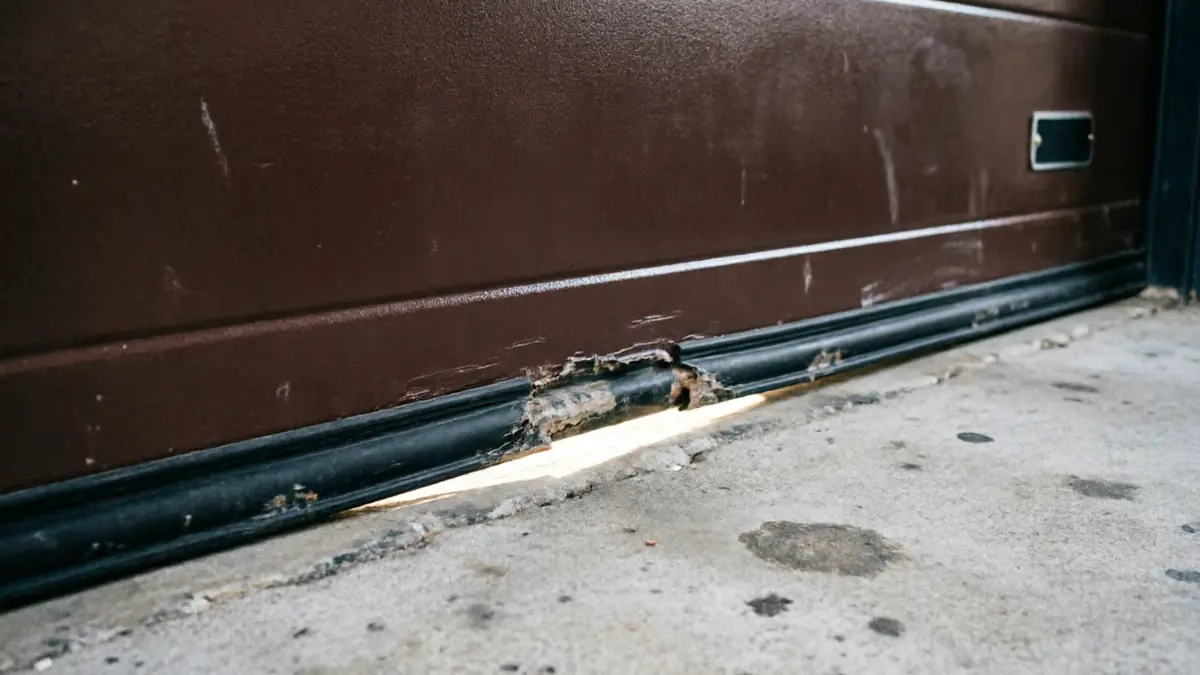 Openers, Power Cuts, and the Houses Around Jupiter
A look at how Jupiter's mild coastal climate and mostly 1980s-90s housing stock affect garage door openers, plus what actually needs attention after the power drops.
Openers, Power Cuts, and the Houses Around Jupiter
A look at how Jupiter's mild coastal climate and mostly 1980s-90s housing stock affect garage door openers, plus what actually needs attention after the power drops.
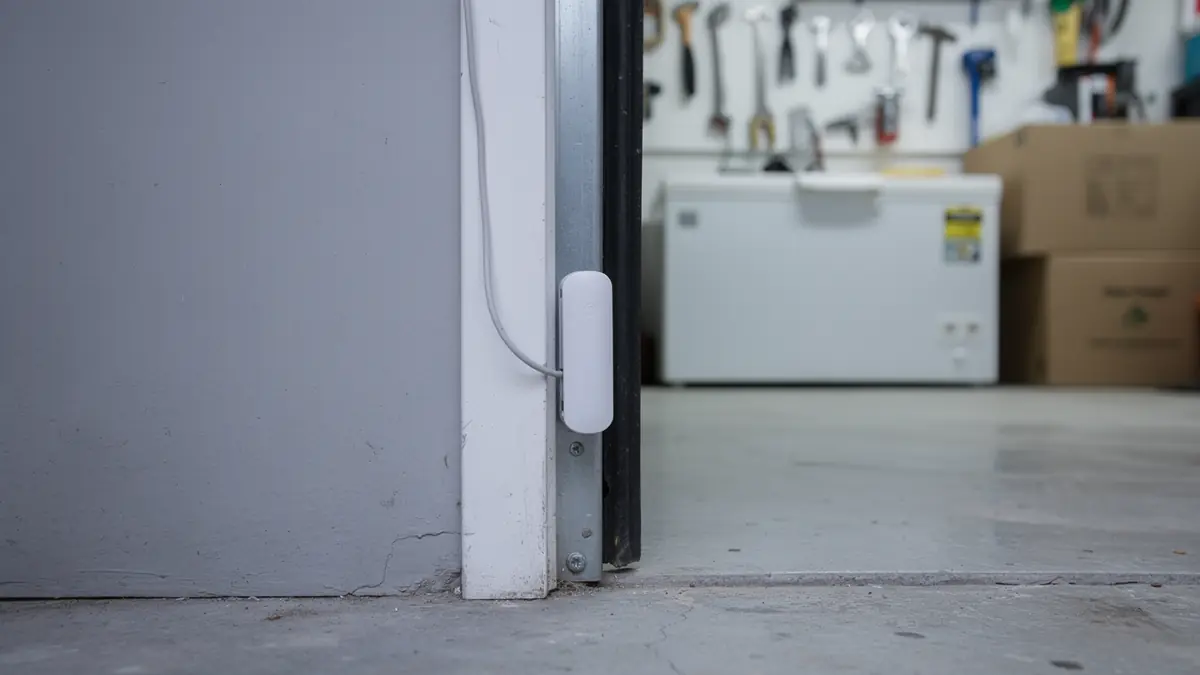 Why a Door Goes Off Track Around Jupiter
A look at why garage doors slip off track in Jupiter's 1980s-era housing stock, what the mild climate does and doesn't do to hardware, and what to check first.
What Your Jupiter Garage Door's Age Actually Tells You
Jupiter's housing runs 1965 to 2021, median 1981, mostly 1980s-90s stock, in a mild coastal climate - here's what that build era means for your door and hardware.
Why a Door Goes Off Track Around Jupiter
A look at why garage doors slip off track in Jupiter's 1980s-era housing stock, what the mild climate does and doesn't do to hardware, and what to check first.
What Your Jupiter Garage Door's Age Actually Tells You
Jupiter's housing runs 1965 to 2021, median 1981, mostly 1980s-90s stock, in a mild coastal climate - here's what that build era means for your door and hardware.
Ready when you are
Need a garage door sorted in Jupiter?
Jupiter Garage Door Co repairs and installs garage doors, springs and openers in Jupiter, FL and the surrounding area.