
Blog
What That Sound Coming From Your Garage Door Is Actually Telling You
Jupiter homes mostly date to the 1980s and 90s, and the mild climate here changes what a squeal, grind, or bang actually means for your door.
The Situation
Most of the houses in this part of Florida went up between 1965 and 2021, with the median sitting around 1981. That means a big share of the garage doors still in service are originals, or close to it - thirty, thirty-five, forty years of hinges, rollers, and cable drums doing the same job every day. Across the sixteen named pockets that make up the area, from Abacoa two miles south to Admiral's Cove two miles east-southeast, the construction pattern repeats: 1980s and 90s builds, steel sectional doors, extension or torsion springs sized for the openers of that era. Tequesta sits three miles north and Palm Beach Country Estates three miles west-southwest, and the door on a house in either one is statistically just as likely to be original equipment. When a homeowner calls about a new noise, the first question worth asking isn't "what's wrong" - it's "how old is this door, and has anyone touched the hardware since it went in." In a lot of houses here, the answer is no, which is exactly why the noise started.
What the Weather Here Does to It
Jupiter sits in a mild temperate band, and that matters more than people think. In places with hard freeze-thaw cycles, a torsion spring can lose temper and snap overnight when the metal contracts fast in a cold snap - that's a real failure mode, and it's not what's happening here. Without those extremes, springs in this area tend to fail from slow fatigue instead: thousands of open-close cycles wearing the coil down gradually rather than a sudden cold-triggered break. That changes what a sound means. A spring that groans under load here is more likely mid-fatigue than about to snap from weather stress. Heat is a smaller factor too - without severe swings, you don't get the track misalignment that comes from metal expanding and contracting hard season to season. So if your door is noisy, the mild climate here means weather is probably not the direct cause. It's wear, built up slowly, on hardware that's had decades of mild days and nights to accumulate it.
What to Check
Start with the rollers. On a door built in the 1980s or 90s stock common in this area, original rollers are often still steel, not nylon, and steel on steel is the classic source of a rhythmic squeal as the door travels the track. Next, look at the hinges between panels - a popping or banging sound usually means a hinge pin has worn loose enough to let the panel shift before it catches again. Check the track brackets too; on an older door, the lag bolts holding the track to the frame can work loose over years of vibration, and a loose bracket produces a bang right at the point where the door passes it. Last, listen for the opener itself. A grinding sound from the motor housing, especially on a chain-drive unit from that era, is usually the gear kit - a plastic part inside the motor that wears out and strips. None of this requires taking the door apart to diagnose. A flashlight and five minutes watching one full cycle will usually point you at the source.
When Waiting Is Fine
Not every noise is a call-today noise. A steel roller squealing on an otherwise smooth-running door isn't dangerous - it's annoying, and it'll keep working like that for months before it gets bad enough to matter. If the door opens and closes evenly, stays level, and the noise doesn't change week to week, you can live with it until it's convenient. Where I'd draw the line: if the sound is getting louder fast, if the door jerks or hesitates partway through its travel, or if you hear a metallic ping from the spring area, that's different - a spring under load that's starting to go doesn't wait for your schedule. One honest limitation here: I can tell you what a sound usually means over the phone, but I can't diagnose a specific door without hearing it and watching it run. If you're not sure which category your noise falls into, that's worth a look rather than a guess.
Questions
Common questions
My door squeals every time it opens but still works fine - can it wait?
Usually yes. A squeal with no change in how the door travels is almost always a dry or worn roller, not a safety issue. On the 1980s and 90s stock common in this area, that's often original steel rollers finally announcing their age. It'll keep working for a while, but it won't fix itself.
Does the heat here cause garage door problems the way cold does elsewhere?
Not in the way people assume. Jupiter's mild temperate band doesn't produce the sharp freeze-thaw swings that crack springs or warp tracks in colder regions. Heat-related issues here tend to be slower - lubricant drying out, minor track expansion - rather than sudden failures tied to a specific weather event.
Is a banging noise from the door more urgent than a squeal?
Generally yes. Banging usually points to a loose track bracket or a worn hinge letting a panel shift before it catches, and that can get worse with each cycle. A squeal is mostly cosmetic wear. If you're choosing which one to deal with first, start with the bang.
How do I know if my opener's grinding noise is the motor or the gears?
On most chain-drive and belt-drive openers from the era common in this area's housing stock, a grinding sound is the internal gear kit - a plastic part that wears down over years of use - rather than the motor itself. It won't repair itself, but it's a contained part, not a full opener replacement in most cases.
Recommendation
You Might Also Like
More garage door guides for Jupiter homeowners.
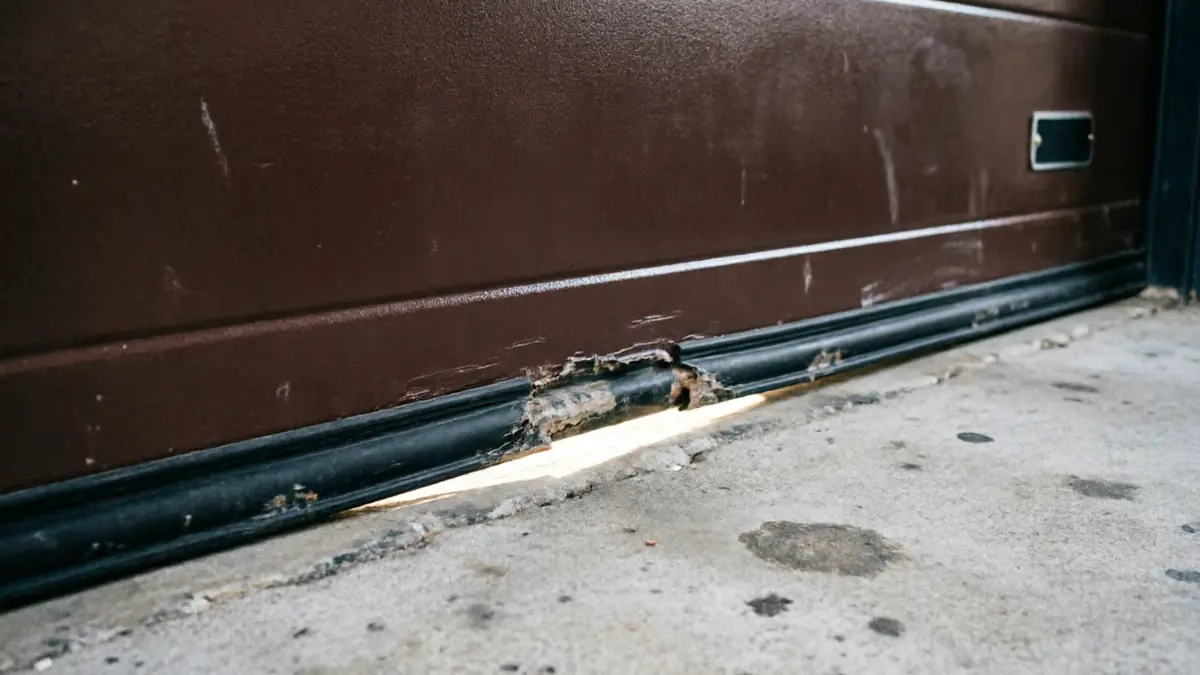 What Your Jupiter Garage Door's Age Actually Tells You
Jupiter's housing runs 1965 to 2021, median 1981, mostly 1980s-90s stock, in a mild coastal climate - here's what that build era means for your door and hardware.
Openers, Power Cuts, and the Houses Around Jupiter
A look at how Jupiter's mild coastal climate and mostly 1980s-90s housing stock affect garage door openers, plus what actually needs attention after the power drops.
What Your Jupiter Garage Door's Age Actually Tells You
Jupiter's housing runs 1965 to 2021, median 1981, mostly 1980s-90s stock, in a mild coastal climate - here's what that build era means for your door and hardware.
Openers, Power Cuts, and the Houses Around Jupiter
A look at how Jupiter's mild coastal climate and mostly 1980s-90s housing stock affect garage door openers, plus what actually needs attention after the power drops.
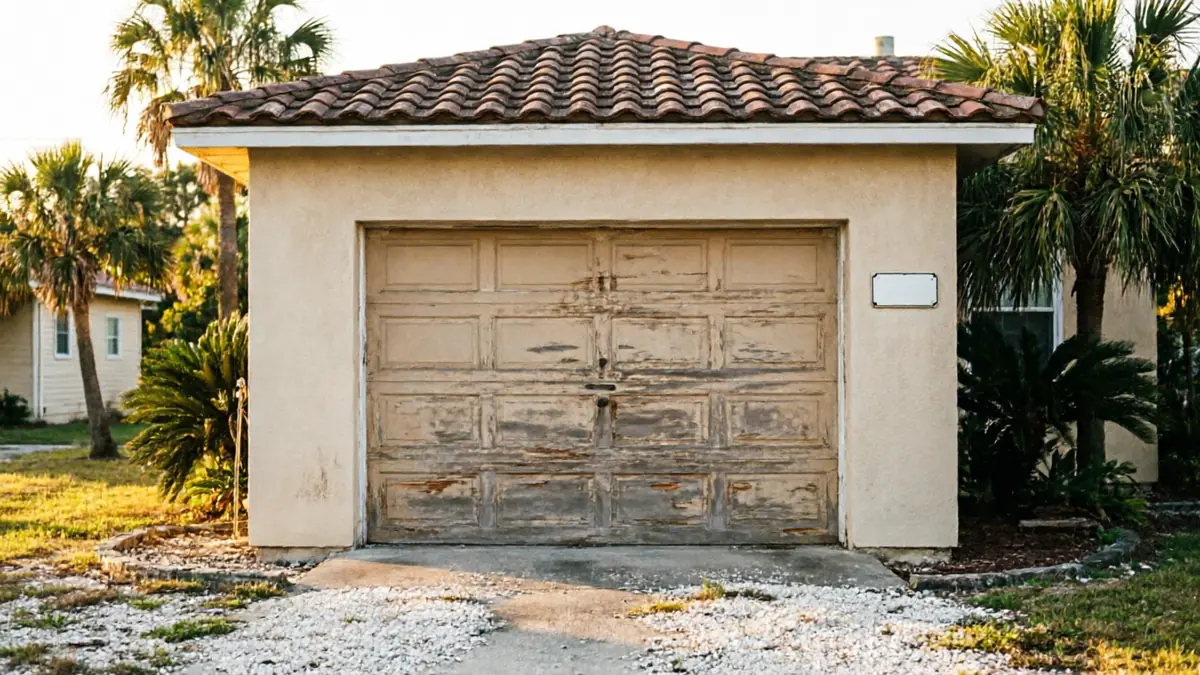 When a Spring Goes in Cold Weather Here
In Jupiter's mild climate, a cold snap is rare enough that it catches older torsion springs off guard.
When a Spring Goes in Cold Weather Here
In Jupiter's mild climate, a cold snap is rare enough that it catches older torsion springs off guard.
Ready when you are
Need a garage door sorted in Jupiter?
Jupiter Garage Door Co repairs and installs garage doors, springs and openers in Jupiter, FL and the surrounding area.