
Blog
What Your Jupiter Garage Door's Age Actually Tells You
Jupiter's housing runs 1965 to 2021, median 1981, mostly 1980s-90s stock, in a mild coastal climate - here's what that build era means for your door and hardware.
The Situation
Housing in this service area was built across a long stretch, 1965 through 2021, but the median lands around 1981. That one number matters more than people think, because it means a lot of garages on this side of the county still have hardware from a build era before current spring and track standards existed. Across the 16 named areas we work in - Tequesta, Abacoa, Admiral's Cove, Palm Beach Country Estates, and the rest out to Westlake and Royal Palm Beach - the bulk of the stock dates to the 1980s and 90s, with pockets older and newer depending on when that subdivision went in. We're covering 73,541 households and 29,583 owner-occupied houses here, which is a wide spread of ages under one roof, literally. A door installed new in 1985 is now pushing forty years old, and most springs and rollers were never built to run that long without attention. Median household income in the area sits at $86,562, which is relevant mostly because it's part of why replacement, not endless patching, tends to be the real fix once a door from that era starts failing - the parts for it are getting harder to source, not cheaper.
What the Weather Here Does to It
This stretch of coast sits in a mild temperate band. That's good news for your door, honestly. There's no freeze-thaw cycle here cracking weatherstripping or warping a track the way it does further north - no ice building up in the bottom seal, no metal contracting hard enough to snap a cable in January. A lot of the wear-and-tear advice you'll read online assumes a door that has to survive winter, and that's just not the stress this area puts on hardware. What mild temperate weather does instead is let a worn part keep working past when it should've been replaced, because nothing forces the issue the way a hard freeze would elsewhere. A spring that's lost half its tension in a cold climate announces itself fast. Here, it can limp along quietly for months. That's not a reason to ignore maintenance - it's a reason to check things on a schedule instead of waiting for the weather to tell you. Age and cycle count, not frost, are what's actually working against a door in this climate, and that shows up as slow sag and fatigue rather than a sudden winter failure.
What to Check
Given the 1981 median build year, start with anything original to a house from the 1980s or earlier: torsion springs, the track mounts, and the bottom bracket hardware. These parts weren't designed to last forty-plus years of daily cycling, mild climate or not. Look at the spring itself - a gap opening up in the coils, or a visible stretch, means it's near the end even if it hasn't broken yet. Check the rollers next; on an original door they're often still steel, and steel rollers on a track that old tend to groove the rail over time, which shows up as a rougher, noisier travel. Weatherstripping at the bottom is cheap to replace and worth checking regardless of age, since UV and heat break down rubber faster than cold does. If your house falls in the newer end of the range, built closer to 2000 or after, the opener and hardware are more likely to meet later safety standards, including auto-reverse sensors - worth confirming those still work, since they're the kind of thing nobody tests until they need it.
When Waiting Is Fine
Here's the honest part: if your door is from the newer end of this area's build range, say 2000 or later, and it's running quiet and smooth with no visible wear, there's no reason to call anyone. A mild climate isn't putting hard stress on the hardware, so a door in good shape now will likely stay in good shape for a while longer. Waiting is also fine if a spring looks original but shows no gap, no rust, and the door still balances evenly when you disconnect the opener and lift it by hand - that's a real test, not a guess, and it tells you more than age alone does. Where waiting stops being fine is a door that's already noisy, sagging on one side, or struggling to open smoothly. At that point the spring or cable is usually closer to failing than the sound suggests, and a torsion spring letting go under tension is not something you want to be standing near. If you're not sure which category your door falls into, that uncertainty itself is the signal to get it looked at rather than guess.
Questions
Common questions
How do I know if my garage door's springs are original to the house?
If your house dates to the 1980s or 90s, which covers most of this area, and the springs have never been replaced that you know of, assume they're original. Look for rust, visible gaps between coils, or uneven stretch. If the door feels heavier to lift by hand than it used to, that's usually the spring losing tension, not the opener weakening.
Does the mild climate here mean I can skip regular maintenance?
No. The mild temperate band means you're not fighting freeze-thaw damage, but age and cycle count still wear out springs, rollers, and cables regardless of weather. A door can fail quietly here without a hard winter to force the issue, so it's worth checking on a schedule instead of waiting for an obvious symptom.
My house was built in the 1980s - should I replace the whole door or just fix it?
It depends on what's failing. A spring or roller swap on an otherwise sound door is a reasonable repair. But original tracks, bottom brackets, and panels from that era are nearing 40 years of use, and once two or three parts need attention at once, replacement usually costs less over time than repeated patching.
Recommendation
You Might Also Like
More garage door guides for Jupiter homeowners.
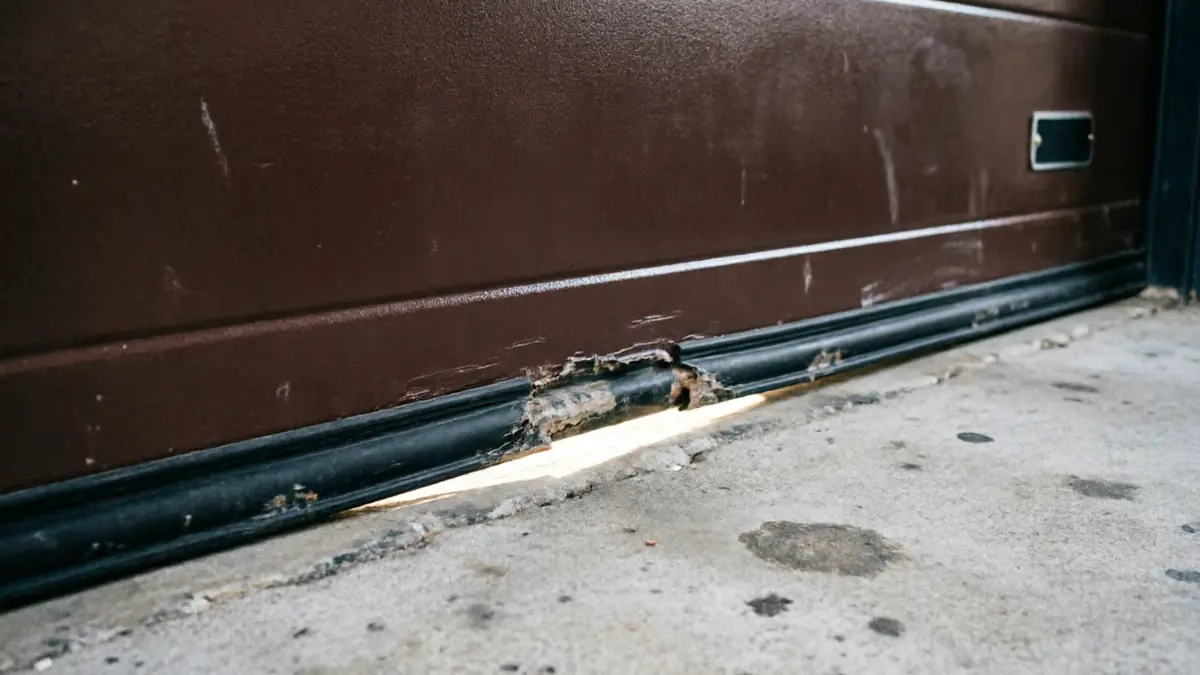 Openers, Power Cuts, and the Houses Around Jupiter
A look at how Jupiter's mild coastal climate and mostly 1980s-90s housing stock affect garage door openers, plus what actually needs attention after the power drops.
Openers, Power Cuts, and the Houses Around Jupiter
A look at how Jupiter's mild coastal climate and mostly 1980s-90s housing stock affect garage door openers, plus what actually needs attention after the power drops.
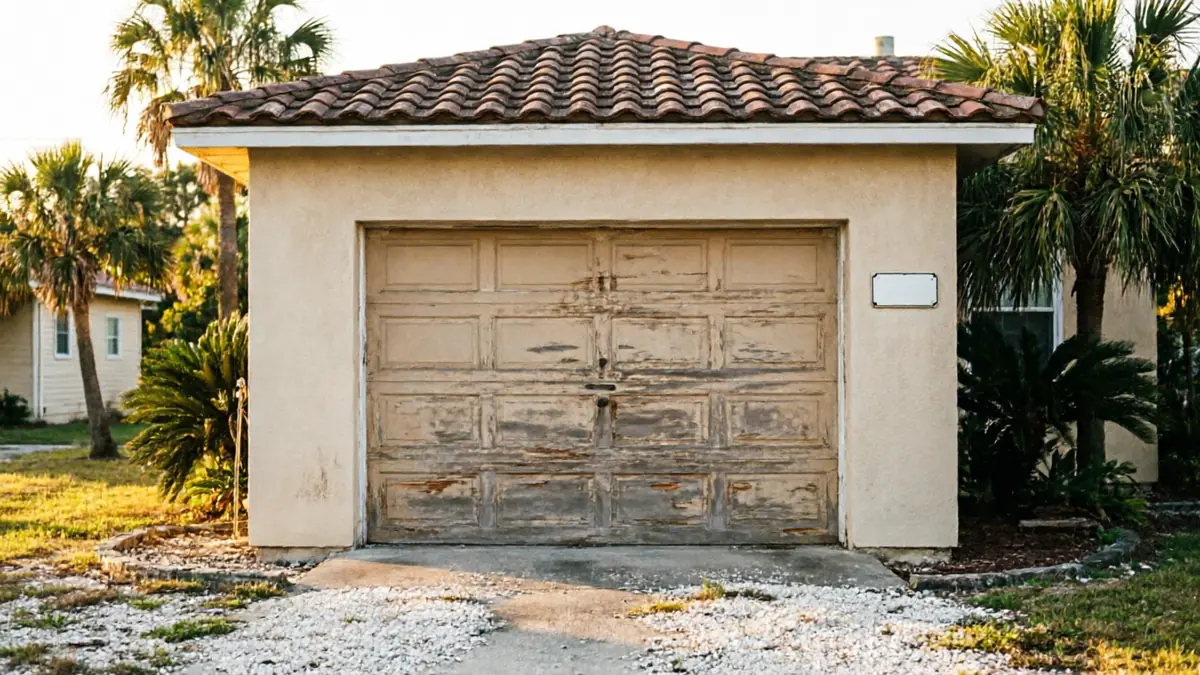 What That Sound Coming From Your Garage Door Is Actually Telling You
Jupiter homes mostly date to the 1980s and 90s, and the mild climate here changes what a squeal, grind, or bang actually means for your door.
What That Sound Coming From Your Garage Door Is Actually Telling You
Jupiter homes mostly date to the 1980s and 90s, and the mild climate here changes what a squeal, grind, or bang actually means for your door.
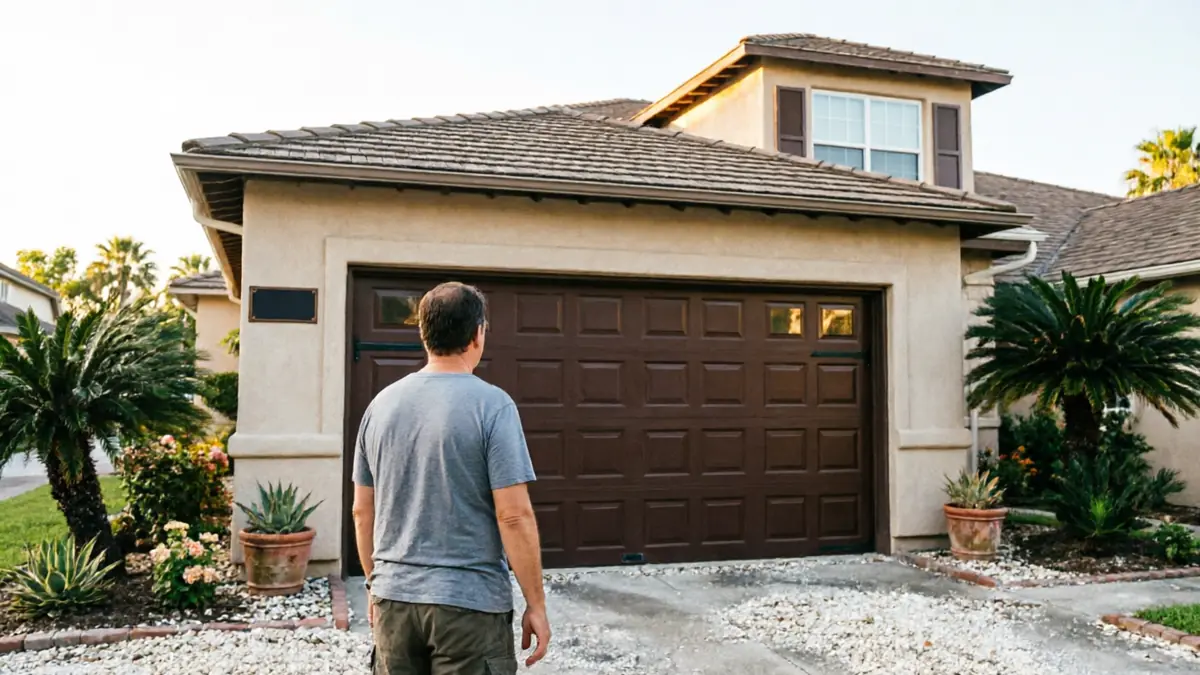 What We Actually Check During a Jupiter Service Call
A look at what a Jupiter Garage Door Co service call actually inspects, built around the age of local housing stock and the area's mild temperate climate.
What We Actually Check During a Jupiter Service Call
A look at what a Jupiter Garage Door Co service call actually inspects, built around the age of local housing stock and the area's mild temperate climate.
Ready when you are
Need a garage door sorted in Jupiter?
Jupiter Garage Door Co repairs and installs garage doors, springs and openers in Jupiter, FL and the surrounding area.