
Blog
Openers, Power Cuts, and the Houses Around Jupiter
A look at how Jupiter's mild coastal climate and mostly 1980s-90s housing stock affect garage door openers, plus what actually needs attention after the power drops.
The Situation
Most of the housing in this service area went up between 1965 and 2021, with the bulk of it dating to the 1980s and 90s, spread across sixteen named neighborhoods from Abacoa to Admiral's Cove. That matters for openers because a chain-drive or screw-drive unit installed when a house was built in, say, 1986 is well past any reasonable service window by now. The motor still spins. The logic board inside it is a different story.
Across the broader area there are 73,541 households, and 29,583 of those are owner-occupied houses - the stock most likely to still be running an original builder-grade opener, especially if the house hasn't changed hands since it was new. Renters tend to live in buildings where someone else handles the door. Owners of older single-family houses are the ones who find out the hard way that the opener has no battery backup, no rolling-code security, and a remote that's been reprogrammed three times.
We don't push a new opener on every call. If the unit still lifts the door smoothly, has good chain tension, and isn't grinding on startup, there's no reason to replace it just because of its age. Age alone isn't the problem. What it runs out next to is.
What the Weather Here Does to It
The climate band here is classified mild temperate, which is easier on an opener than the humidity swings and hard freeze-thaw cycles that wreck rail alignment and plastic gears elsewhere. You're not dealing with ice splitting a track or a motor housing cracking from a deep freeze. The slower failure mode here is corrosion creep on exposed hardware and UV breakdown on belt-drive systems left facing a sun-exposed window in the door - not dramatic, just steady.
That steadiness cuts both ways. It means openers in this area often run longer without obvious trouble than they would somewhere with harsher swings, but it also means owners get lulled into skipping the one check that actually matters: the manual release. If you've never pulled the red cord to test it, you don't actually know if the opener will let go of the door when the power's out. Mild climate or not, that's not something you want to discover during an outage.
What to Check
Three things, in order of how often they actually cause a call:
**The manual release.** Find the red cord hanging from the carriage. Pull it with the door closed. The trolley should disconnect cleanly and let you lift the door by hand. If it doesn't disconnect, or the door won't lift without real effort, that's a spring problem, not a release problem - different fix, different cost.
**Battery backup, if the opener has one.** A lot of the builder-grade units from the 1980s and 90s this area is full of simply don't have one. If yours doesn't, a power cut means you're on manual operation until the power's back. That's not a defect, it's just the unit's age showing.
**The sensor eyes.** Low on the tracks, facing each other. Dust, spiderwebs, or a knock out of alignment will make the opener refuse to close even once power's restored, and owners often assume the whole unit died when it's a thirty-second fix.
We don't troubleshoot the electrical panel or the house wiring upstream of the opener's outlet. If the opener has power at the wall and still won't run, that's us. If the outlet itself is dead, that's an electrician's call first.
When Waiting Is Fine
Not every noise or hiccup needs a same-day visit. If the opener runs a little louder than it used to but still closes the door fully and the manual release works, you can wait and watch rather than call. A chain-drive unit on an older house in this area will often run years past when you start noticing it.
If a power cut knocks the opener offline and it comes back fine once power's restored - light works, remote works, door closes - there's nothing to fix. That's the system doing exactly what it should. The only time a post-outage check is worth a call is if the door reverses unexpectedly, won't fully seat on the floor, or the opener runs but the door doesn't move at all. Those point to something mechanical that the power blip just happened to expose, not something the outage caused outright.
Questions
Common questions
Does Jupiter's climate shorten the life of a garage door opener?
Not much on its own. The mild temperate band here is easier on seals, gears, and track hardware than places with hard freezes or extreme humidity swings. What ages openers in this area is mostly the housing stock itself - a lot of units installed with houses from the 1980s and 90s are just reaching the end of their working life regardless of weather.
What happens to my opener during a power cut?
If it has no battery backup, which many older units here don't, it simply won't run until power's restored. Use the manual release to open or close the door by hand in the meantime. Once power's back, test the opener before assuming anything's wrong - most come back exactly as they were.
Should I replace an opener just because the house is older?
Not automatically. If it still lifts the door smoothly, the manual release works, and it isn't grinding or stalling, age by itself isn't a reason to swap it. We'd rather tell you it's fine than sell you one you don't need yet.
Recommendation
You Might Also Like
More garage door guides for Jupiter homeowners.
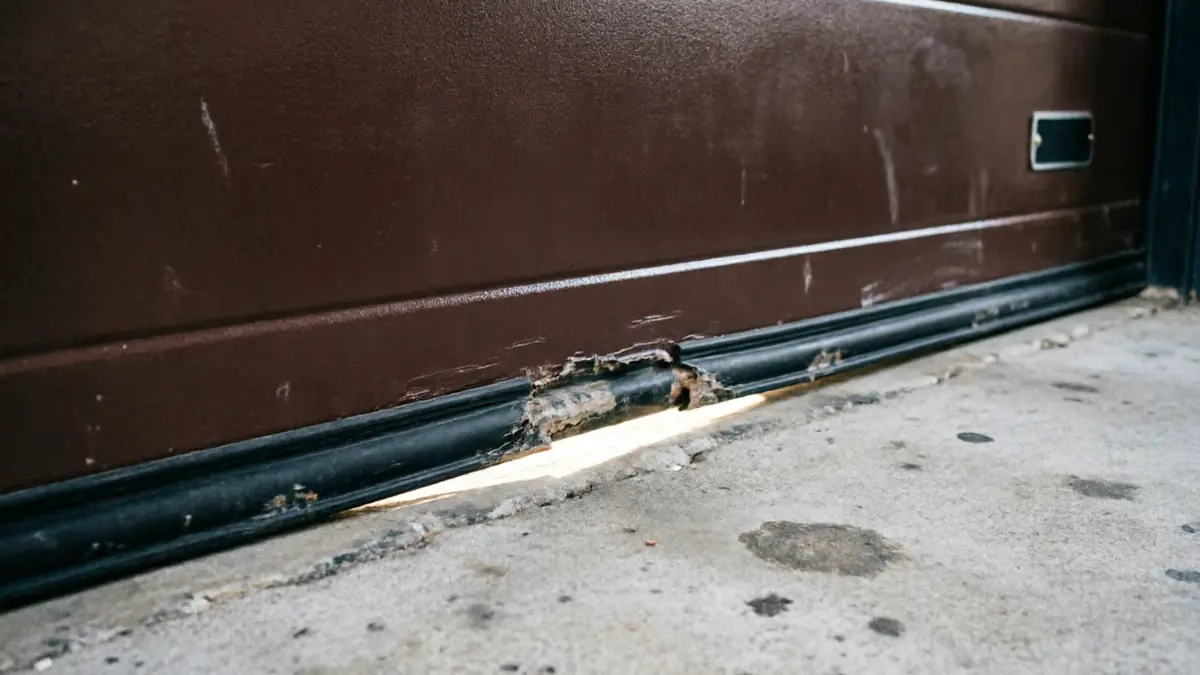 What Your Jupiter Garage Door's Age Actually Tells You
Jupiter's housing runs 1965 to 2021, median 1981, mostly 1980s-90s stock, in a mild coastal climate - here's what that build era means for your door and hardware.
What Your Jupiter Garage Door's Age Actually Tells You
Jupiter's housing runs 1965 to 2021, median 1981, mostly 1980s-90s stock, in a mild coastal climate - here's what that build era means for your door and hardware.
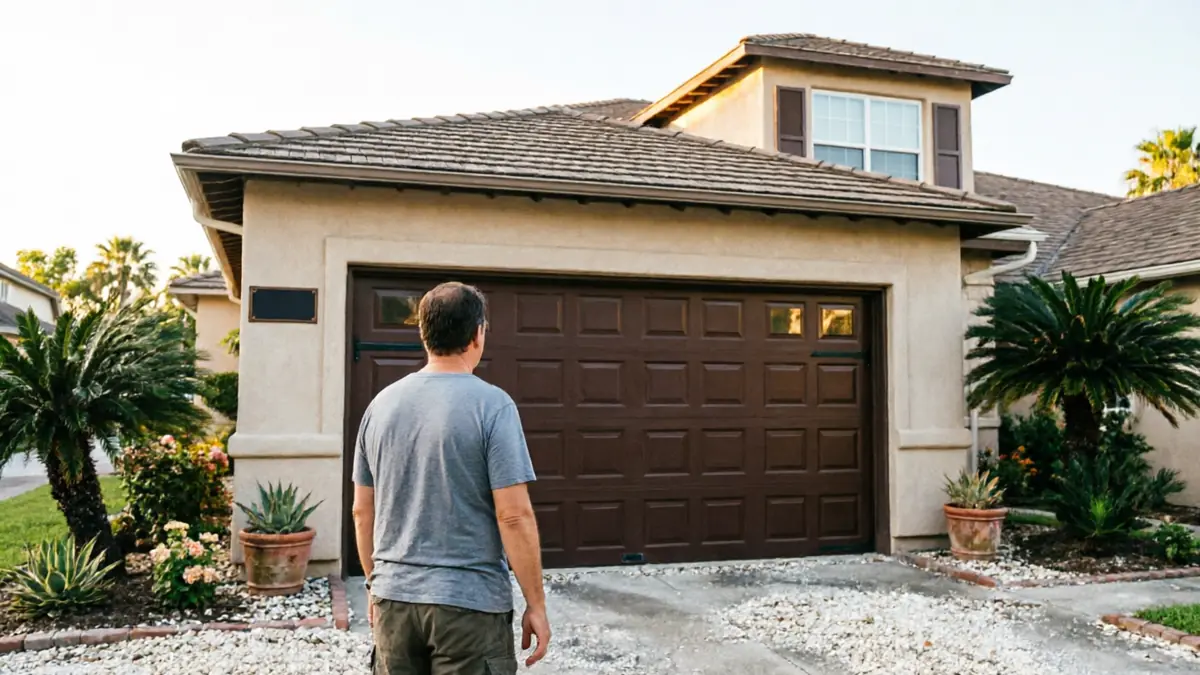 What We Actually Check During a Jupiter Service Call
A look at what a Jupiter Garage Door Co service call actually inspects, built around the age of local housing stock and the area's mild temperate climate.
What We Actually Check During a Jupiter Service Call
A look at what a Jupiter Garage Door Co service call actually inspects, built around the age of local housing stock and the area's mild temperate climate.
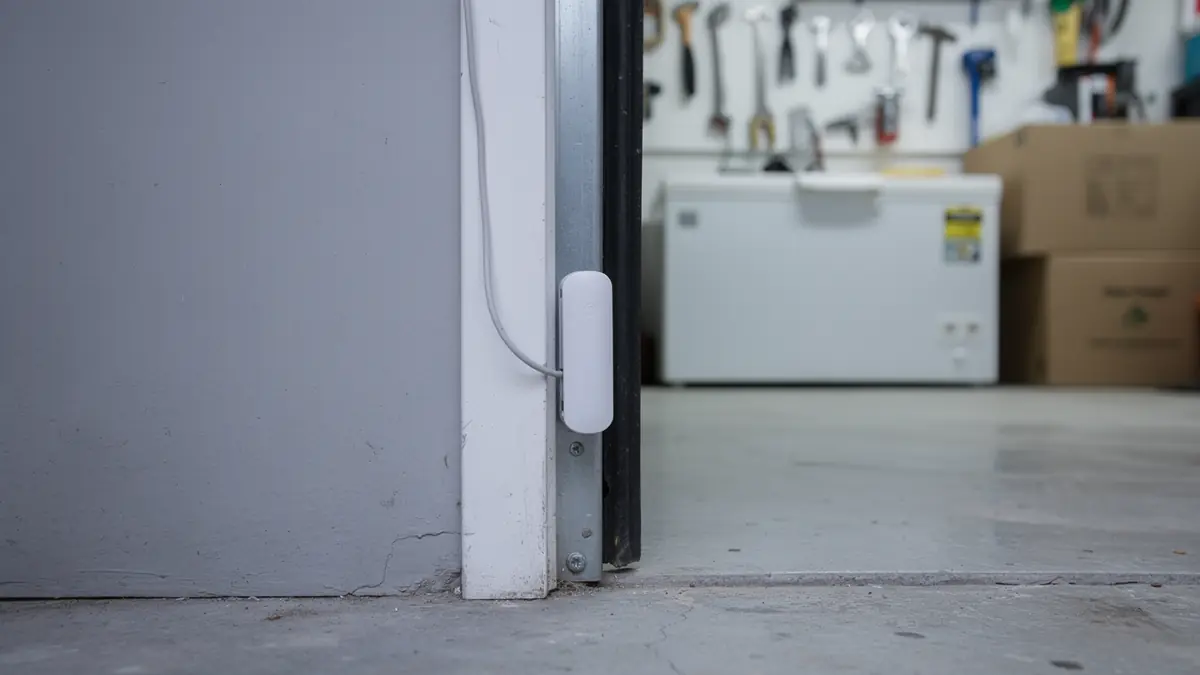 Why a Door Goes Off Track Around Jupiter
A look at why garage doors slip off track in Jupiter's 1980s-era housing stock, what the mild climate does and doesn't do to hardware, and what to check first.
Why a Door Goes Off Track Around Jupiter
A look at why garage doors slip off track in Jupiter's 1980s-era housing stock, what the mild climate does and doesn't do to hardware, and what to check first.
Ready when you are
Need a garage door sorted in Jupiter?
Jupiter Garage Door Co repairs and installs garage doors, springs and openers in Jupiter, FL and the surrounding area.